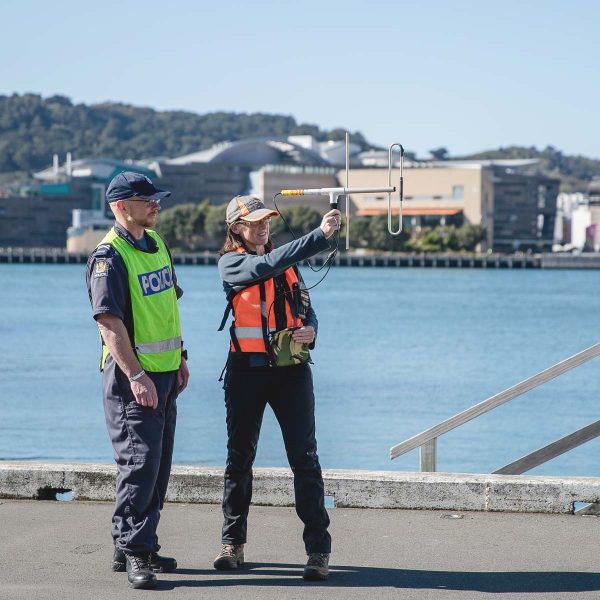
WanderSearch is a proven programme developed in New Zealand over decades that helps locate individuals who are at risk of getting lost, such as some people with dementia, neurodivergence, brain injury or disabilities whose conditions affect memory or cognition.
The devices are small, lightweight, and can be worn discreetly. If the person does go missing who is wearing the device, they can be located by responders using specialist equipment to detect the individual signal emitted by the device.
WanderSearch:
Operates everywhere in New Zealand.
Does not use the cellular network.
Does not require charging.
Cannot be switched off.
Batteries last 6 months.
Is designed to be worn continuously.
Can be worn in various ways (necklace, wrist or keyring).
Can be personalised by the user.
Can be worn in a shower.
Is only monitored if a person goes missing, therefore privacy is not compromised.
WanderSearch is suitable for people who may not be able to use other technologies successfully. For examples of other technologies please check out the Safer Walking website.
WanderSearch makes a difference
WanderSearch provides peace of mind for the person using the device and their family/whānau, friends and caregivers that should they go missing there are additional tools available to assist in locating them quickly. This supports people living safely and participating freely in their communities.
People who use a WanderSearch device are found much faster compared to people without it.
Although other technologies in many situations provide an excellent solution, most of the people at risk in these videos have experience of using WanderSearch devices. These videos have been created so others may understand Safer Walking and the benefit of having plans and technologies in place to enable personal freedom while managing the risk of going missing.
Lorraine & Russell
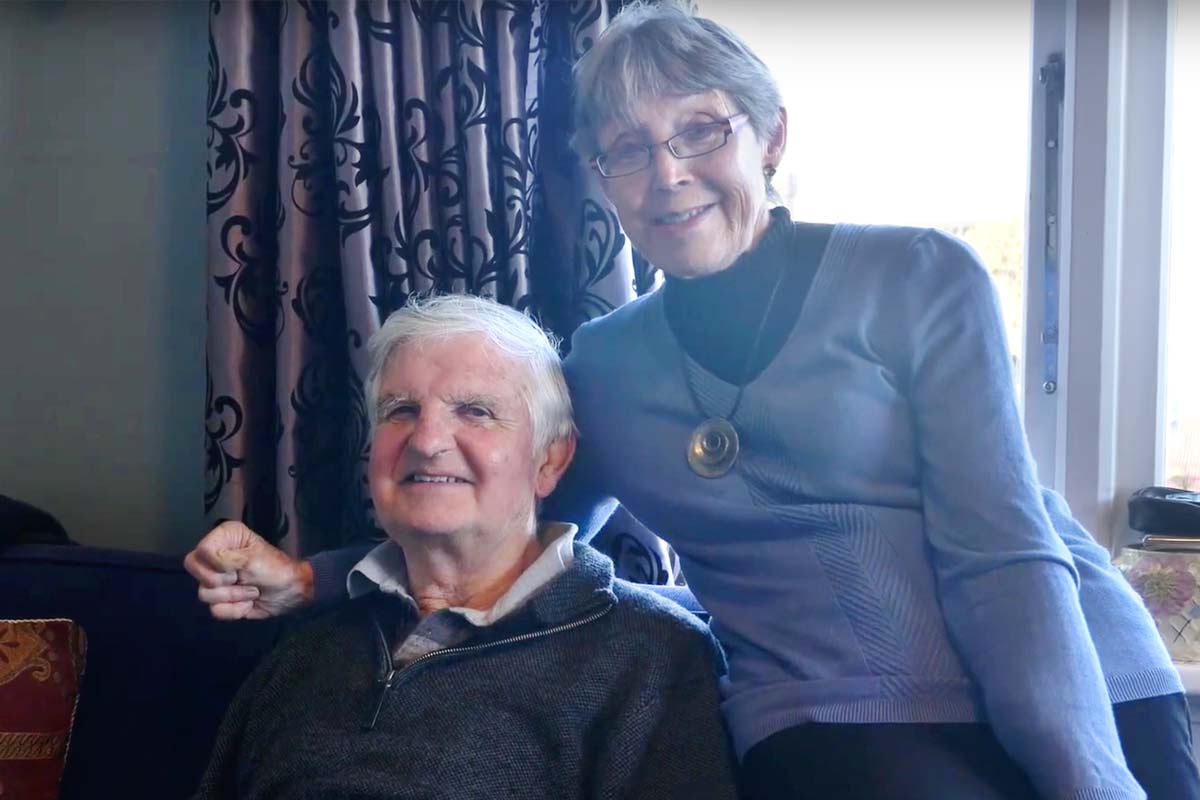
Russell and his wife Lorraine discuss how Russell (who has young onset dementia) enjoys a lifestyle that enables him to walk with freedom while providing peace of mind he can be found should he go missing.
Jim (who has dementia) has enjoyed a lifetime of being active and walking in his community. Diana, Jim’s wife discusses the steps they have used to support Jim be active and safe.