
When most people think of Land Search and Rescue New Zealand, they picture dramatic helicopter rescues on mountain peaks or volunteers searching dense bush for lost trampers. While these wilderness operations remain a crucial part of our work, the reality of modern search and rescue is far more diverse—and closer to home than you might imagine.
Our mission is simple: “Everywhere for Everyone.” This means over 3,000 trained volunteer responders across 70 local groups nationwide are ready to help wherever and whenever someone needs us—from urban environments to remote canyons, from beachfront communities to underground caves.
The Changing Face of Search and Rescue
The landscape of search and rescue operations in New Zealand is evolving rapidly. Since July 2024, our volunteers have responded to over 400 Search and Rescue Operations (SAROPs) across the country, with callouts growing by approximately 20% annually. This increasing demand places unprecedented pressure on our volunteer responders, who dedicate their time, expertise, and often their own resources to keeping communities safe.
Perhaps most surprising to many New Zealanders is this statistic:
One in four Land Search and Rescue group responses now occur in urban environments.
These aren’t the mountain rescues that make headlines—they’re searches for vulnerable community members who have gone missing from their own neighbourhoods.
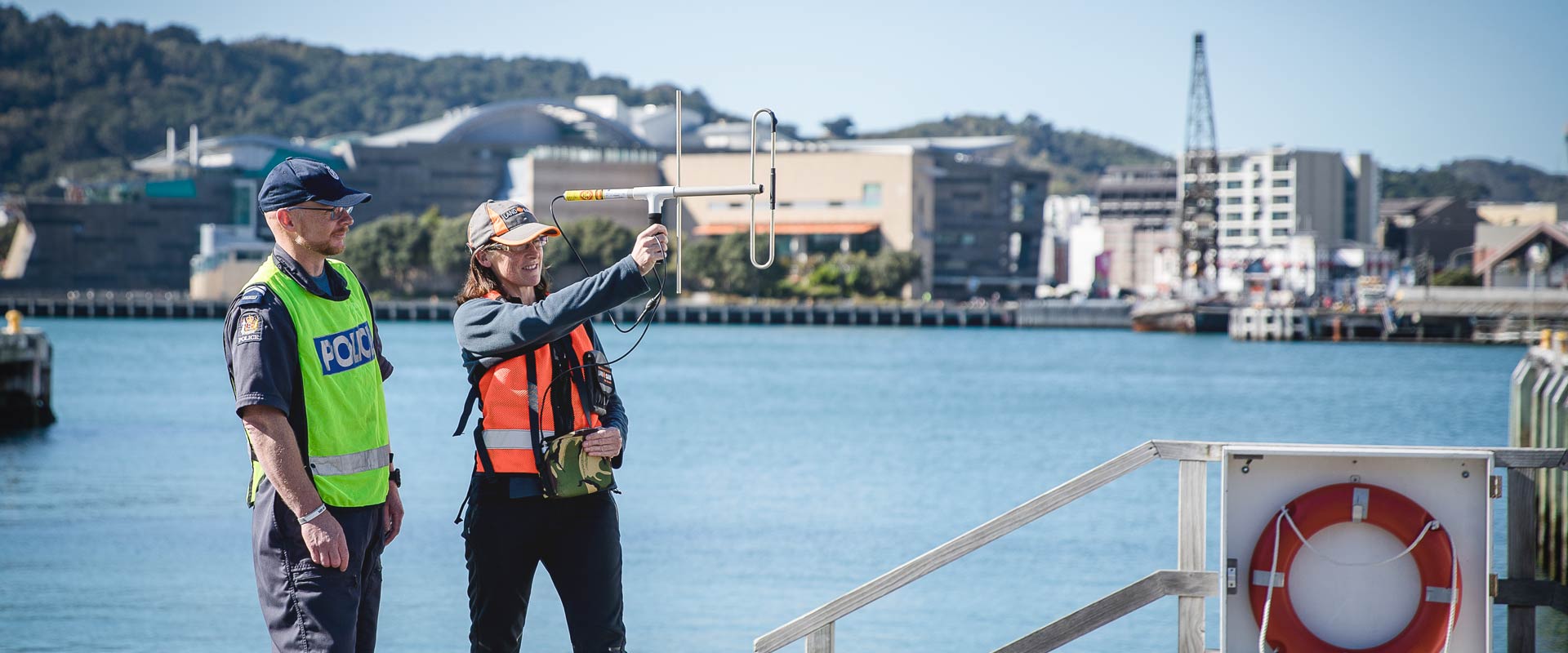
Searches in Urban Environments: A Growing Need
Searching for Our Most Vulnerable
In recent years, one in four police-led land search and rescue responses have involved people living with dementia, neurodivergence, or disability. With 70,000 people currently living with dementia in New Zealand—a figure set to triple by 2050—and six out of ten of them likely to wander, our urban search capabilities have never been more critical.
These searches require a completely different skill set from wilderness operations. Our volunteers must understand the unique behaviours and patterns of individuals with cognitive impairments. People with dementia often follow familiar routes from their past—returning to former homes, workplaces, or significant locations from their memories. They might board public transport with their gold cards, travelling surprising distances before anyone realises they’re missing.
Graham Pomeroy, former board chairperson of Land Search and Rescue New Zealand, has dedicated 46 years to the organisation and witnessed this shift firsthand. Through his work, he’s found missing people in bus shelters, parks, cemeteries, and churches, often heading back to their old houses or familiar places from decades past.
The elderly often wander unnoticed in a way that an unaccompanied 3-year-old never would. Their movements can appear purposeful to passersby, allowing them to travel considerable distances before their absence is discovered. This is why early reporting is so crucial—it’s much easier to find someone at 2pm than at 2am.
“We really struggled with managing David’s wandering off. The Safer Walking website provides so many ideas, and we were so grateful for this information to take the pressure off.” — Anonymous family member
Understanding the psychology behind wandering behaviours helps our volunteers conduct more effective searches. Individuals with dementia may be drawn to:
- Former addresses where they lived years or decades ago
- Previous workplaces or schools
- Religious or community centres they once frequented
- Transport hubs like bus stations or train terminals
- Natural features like rivers, parks, or walking tracks they remember
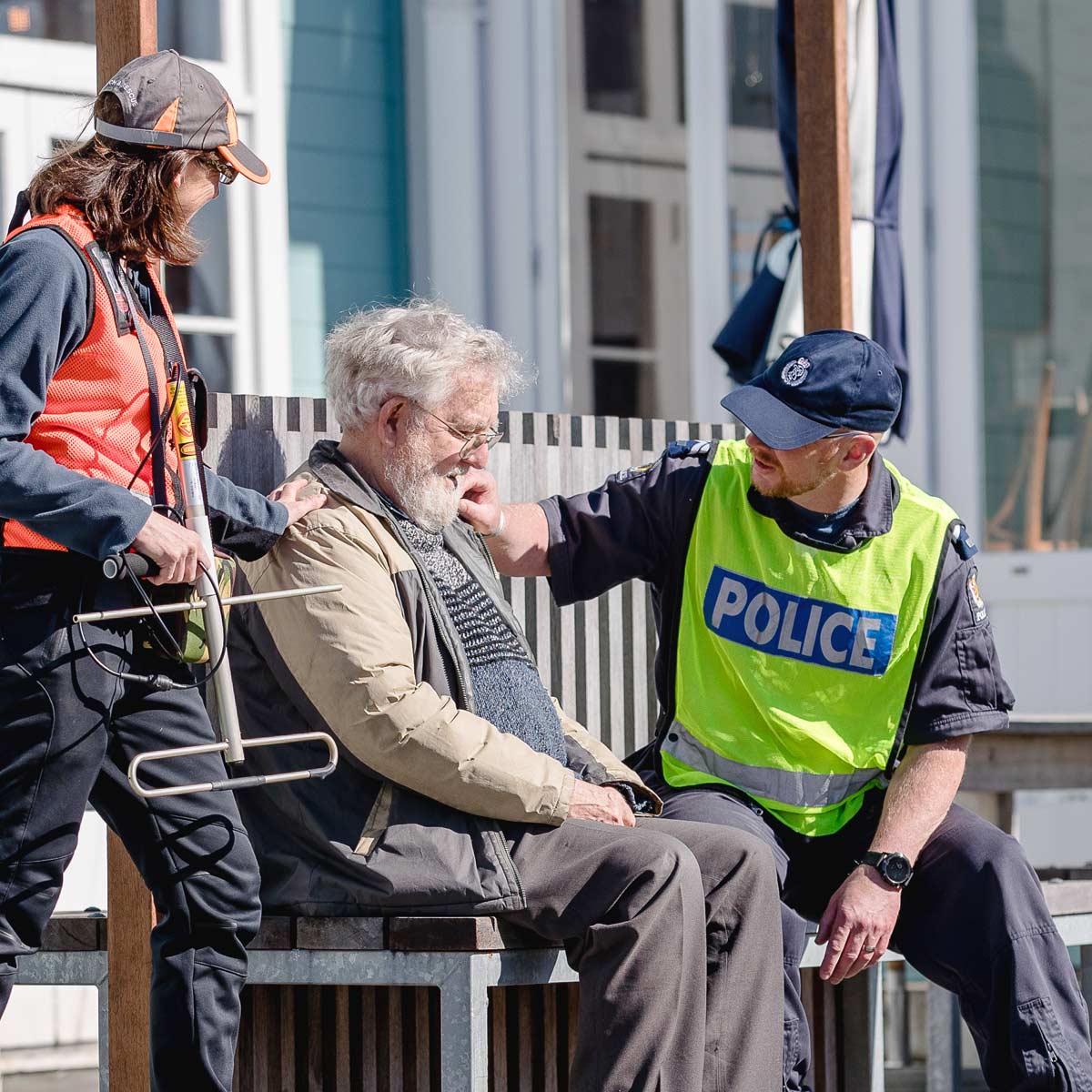
The emotional toll on families during these searches is immense. Pomeroy describes regularly seeing “lots of tears, and lots of anger” when returning people home, as family members struggle to cope with the challenges of caring for someone with a cognitive condition.
Modern technology offers hope for both prevention and rapid location. WanderSearch devices—small, robust radio-frequency transmitters worn by people at risk of going missing—have revolutionised searches in urban environments. Pomeroy’s shortest search on record lasted just five minutes thanks to this technology, which has been successfully used for over a decade, saving countless lives and reducing search times dramatically.
Land Search and Rescue is currently launching a new system to make WanderSearch devices free.
Children in Crisis
Urban searches aren’t limited to elderly individuals. Our volunteers regularly respond to searches for missing children who have wandered from their families, become separated during outings, or simply gotten lost in their own neighbourhoods. Unlike an unaccompanied elderly person who might travel unnoticed, a missing child typically triggers immediate community response—but our trained volunteers provide the systematic search expertise needed to bring them home safely.
“The passion and commitment of the volunteers to find Graham was immeasurable. From my family and our community, a forever thank you.” — Anonymous grateful family member
Beyond the Suburbs: Diverse Rescue Environments
Our rescue scenarios occur in many different environments. Here’s an example of a few you may not be so aware of.
Coastal and Water Rescues
AotearoaNew Zealand’s extensive coastline means water-related emergencies form a significant part of our operations. The tragic search at Piha Beach, where Land Search and Rescue teams worked alongside police and helicopter support to conduct a shoreline search for a swimmer swept away by a rip, demonstrates the variety of environments our volunteers must navigate.
These coastal operations require specialised training and equipment. Our volunteers work in challenging conditions—three-metre seas, 20-knot winds, and often limited visibility—to bring people home to their families.

Cave Systems and Underground Rescues
The Abbey Caves operation in Whangārei showcased the technical expertise of our specialist cave rescue teams. When a 15-year-old became trapped during a school trip, six organisations worked together in what was described as “horrendous” weather conditions.
The operation began around 3pm and continued through the night as water levels rose, making conditions increasingly dangerous. By 11pm, when water levels finally dropped enough to allow safe access, teams were able to return the trapped person to his waiting whānau.
This rescue earned a Certificate of Achievement at the New Zealand Search and Rescue Awards, recognising the collaborative effort between Northland Land Search and Rescue, Police Search and Rescue Squad, Fire and Emergency NZ teams, and even local plumbing specialists who contributed their drain camera technology.
Canyon and River Rescues
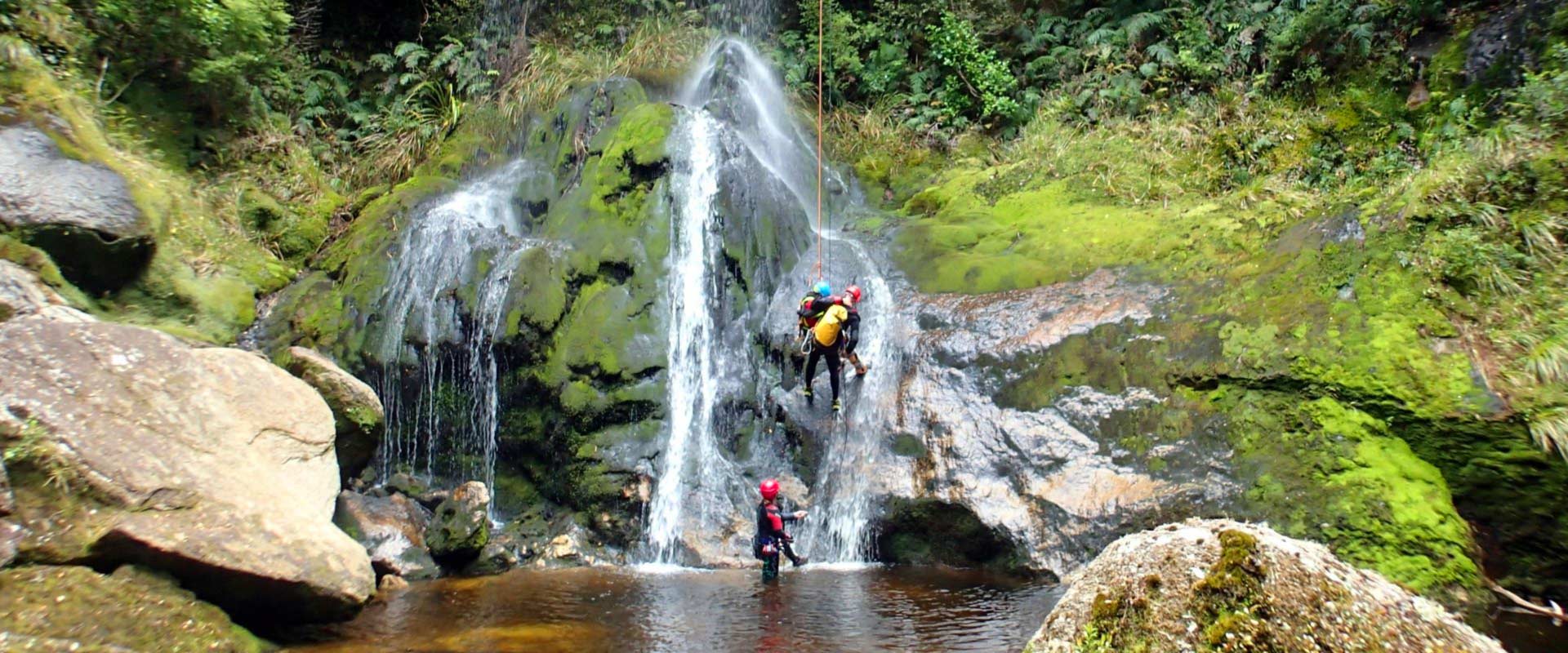
Perhaps one of our most challenging recent operations occurred in Mt Aspiring National Park, where Wānaka Search and Rescue’s swiftwater/canyon team spent over a week searching for a young Argentinian tourist. Roy Bailey, the swiftwater/canyon team leader, described it as “unquestionably the most difficult operation we have undertaken.”
The rescue involved over 800 volunteer hours, with teams being lowered by helicopter into a 60-metre deep canyon. Using specialist equipment including rescue rafts and 5-metre probes, volunteers searched boiling pools of high-pressure water and used underwater cameras to examine caves in the canyon walls.
This operation highlighted the extreme technical expertise required for canyon rescues and the personal risk our volunteers accept to help others.
Maritime Emergencies
A rescue operation from an 18 metre launch demonstrated our capability to respond to maritime emergencies far from shore. When a sailor fell critically ill 100 nautical miles from Kerikeri, Northland Rescue Helicopter crews worked at the edge of their operating range to perform a dramatic night-time winch rescue in three-metre seas.
The operation required exceptional coordination, with the yacht’s skipper performing emergency medical procedures under doctor’s instruction via satellite connection while our rescue teams raced to reach them.
The Volunteers Behind Every Rescue
Diverse Training for Diverse Challenges
Our volunteer responders train extensively for the wide variety of scenarios they might encounter. Far beyond basic wilderness skills, training encompasses:
Urban Search Techniques: Door-to-door searching, working with police and community services, managing searches in populated areas during nighttime operations.
Specialised Technical Skills: Cave rescue, canyon operations, swift-water rescue, and alpine cliff rescue operations require ongoing certification and practice.
Community Engagement: Working sensitively with families in crisis, particularly when searching for vulnerable individuals with cognitive conditions.
Medical Response: First aid, trauma care, and working alongside medical professionals in challenging environments.
Behind-the-Scenes Heroes
While rescue operations capture public attention, every successful search relies on crucial behind-the-scenes volunteers in incident management and governance roles. These volunteers coordinate resources, manage communications, plan operations, and ensure that front-line teams have everything they need to operate safely and effectively.
“In my role, I see first-hand the impact on families and communities when people go missing. Prevention, and resources that help people stay safe in their community are critical. They give families confidence that their loved ones will be safer and reduce the impact on emergency responders, like NZ Police.” — Sergeant Scott Iszard, Tāmaki Makaurau Search and Rescue Coordinator
The Equipment Challenge
Each rescue environment requires specialised equipment. Our volunteers need waterproof gear for coastal rescues, technical climbing equipment for canyon operations, and specialised communication devices for urban searches. The variety of scenarios our volunteers might encounter means they must be prepared for everything from underground cave systems to suburban neighbourhoods.
Prevention: Keeping People Safe Before They Need Rescue
While our volunteers stand ready to respond when emergencies occur, prevention remains our strongest tool for reducing search and rescue operations.
Outdoor Safety
For those venturing into Aotearoa New Zealand’s great outdoors, following the five steps of the Land Safety Code significantly reduces rescue risk:
- Choose the right trip for you – Match your experience and fitness to appropriate terrain
- Understand the weather – Conditions change rapidly in New Zealand
- Pack warm clothes and extra food – Prepare for unexpected delays
- Share your plans – Tell someone where you’re going and when you’ll return
- Take care of yourself and each other – Make decisions as a group and support one another
Community Safety
For families caring for individuals at risk of wandering, resources like the Safer Walking website provide crucial support. From GPS location devices to simple home modifications like pressure mats and door alarms, these preventive measures can mean the difference between a few anxious minutes and a full-scale search operation.
Technology continues to evolve to support families caring for loved ones with cognitive conditions. Modern solutions include virtual “geofences” that alert caregivers when someone moves outside safe boundaries, door sensors that provide notifications when opened, and wearable devices that can help locate someone quickly if they do go missing.
Water Safety
River and coastal conditions change rapidly in New Zealand. Before crossing any waterway:
- Check current weather conditions affecting the entire catchment area
- Plan alternative routes and crossing points
- Know how to assess water safety
- Be prepared to wait for conditions to improve rather than risk a dangerous crossing
Supporting Our Mission: How You Can Help
Every rescue operation—whether in downtown Auckland or remote Fiordland—depends on community support. Our volunteers give freely of their time and expertise, but they need properly functioning equipment and ongoing training to respond safely and effectively.
The Growing Demand for Resources
The financial reality of modern search and rescue reflects the increasing complexity and frequency of operations. With search and rescue callouts growing by 20% annually, our volunteers need access to an ever-expanding range of specialised equipment to respond safely across diverse environments—from suburban streets to technical cave systems.
Your support helps us maintain our capability to respond to the full spectrum of search and rescue scenarios—from the suburban search for a missing elderly person to the technical canyon rescue of an injured adventurer.
Regular Giving: Sustainable Support for Growing Demands
Regular donations help us plan for future equipment needs and training programmes. Consistent community support provides the stable funding base we need to support our growing volunteer network and respond to increasingly diverse rescue scenarios.
Looking Forward: Meeting Growing Challenges
As New Zealand’s population ages and our communities become more diverse, the challenges facing Land Search and Rescue continue to evolve. We’re developing new technologies, expanding our training programmes, and building stronger partnerships with police, healthcare providers, and community organisations.
Our mission remains unchanged: to be everywhere for everyone when they need us most. Whether someone goes missing from their suburban home, gets into difficulty on a popular beach, or faces an emergency in the remotest corner of our beautiful country, our volunteers will be ready to help.
But we can’t do it alone. Every donation, every word of support, and every person who shares our safety messages helps build stronger, safer communities across New Zealand.
The next time you hear about a Land Search and Rescue operation, remember that it might not be the dramatic mountain rescue you expect.
It could be volunteers searching suburban streets for a missing elderly person, or technical teams working in a deep cave system, or responders coordinating a water rescue from a busy beach.
Whatever the scenario, wherever the location, our volunteers will be there—because everyone deserves to come home safely.
Help Us Be Everywhere for Everyone
Your donation ensures our volunteers are trained, equipped, and ready—whether it’s a child lost in the suburbs or an elder missing from a care home. Help us continue our life-saving work in communities across New Zealand.
Donate Now to Land Search and Rescue New Zealand
Stay Safe, Stay Informed
- Be safer and get home safe: Check out our prevention messaging at landsar.org.nz/prevent
- Follow the five steps of the Land Safety Code: Essential guidance for outdoor adventures
- Know someone at risk of getting lost? Learn about support resources at saferwalking.nz
Land Search and Rescue New Zealand—keeping communities safe since 1933. From urban streets to alpine peaks, we’re everywhere for everyone.
References :
“The Growing Risk of Going Missing” from The Press, May 2025
https://www.thepress.co.nz/nz-news/360677997/growing-risk-going-missing
“Abbey Caves, Patriot X efforts Recognised at NZ Search and Rescue Awards” from The Northern Advocate, May 2024
« Back to Blog